Understanding the hiring process and what it means for organizations today
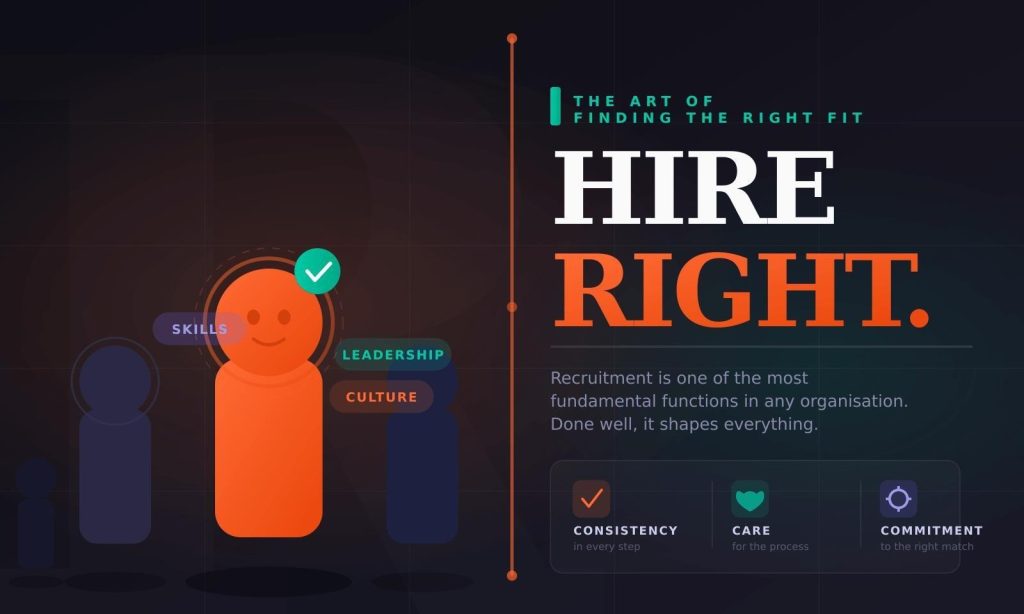
Recruitment is one of the most fundamental functions within any organization. At its core, it is the process of identifying, attracting, and selecting the right people to fill specific roles. But in practice, recruitment involves far more than reviewing applications and conducting interviews. It shapes the quality of a workforce, influences company culture, and directly affects how well an organization is able to meet its goals.
Despite how central it is, recruitment is often underestimated. Many organizations treat it as a task to be completed rather than a process to be managed carefully. The consequences of that approach tend to show up later in poor performance, high turnover, and the cost of hiring all over again.
What the Recruitment Process Involves
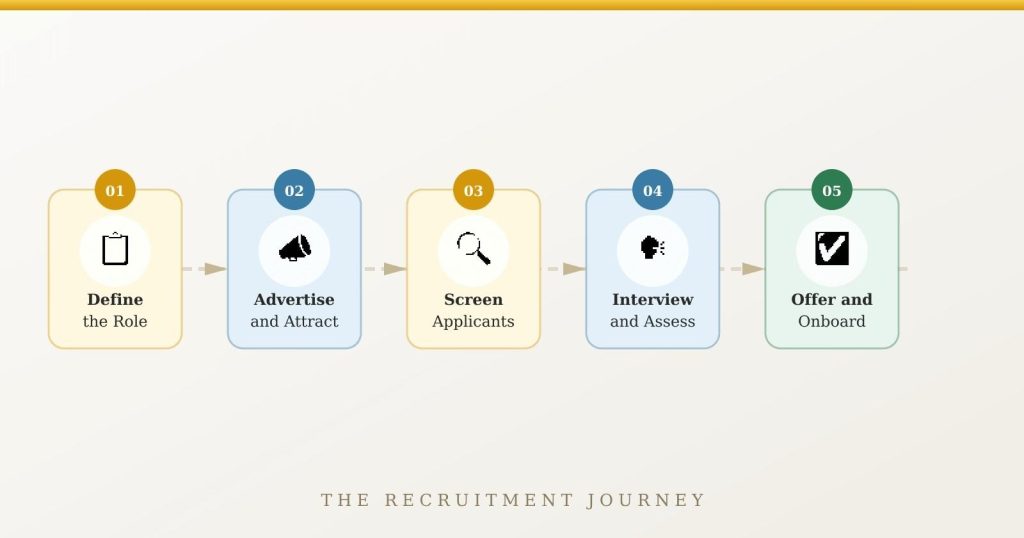
A well run recruitment process typically begins long before a job is advertised. Organizations need to clearly define what a role requires, including the skills, experience, responsibilities, and expectations attached to it. A vague or poorly written job description often leads to a mismatch between what the employer needs and who actually applies.
Once applications are received, screening begins. This involves reviewing CVs and cover letters to identify candidates who meet the basic criteria, followed by initial calls or assessments to get a clearer picture of each person. Structured interviews are then used to evaluate candidates more thoroughly, ideally with consistent questions that allow for fair comparison.
Throughout the process, communication matters. Candidates who are kept informed, even when the news is that a decision is still pending, tend to view the organization more favorably. How a company manages recruitment reflects how it manages people, and that impression lasts.
The Role of Recruitment in the Wider World of Work
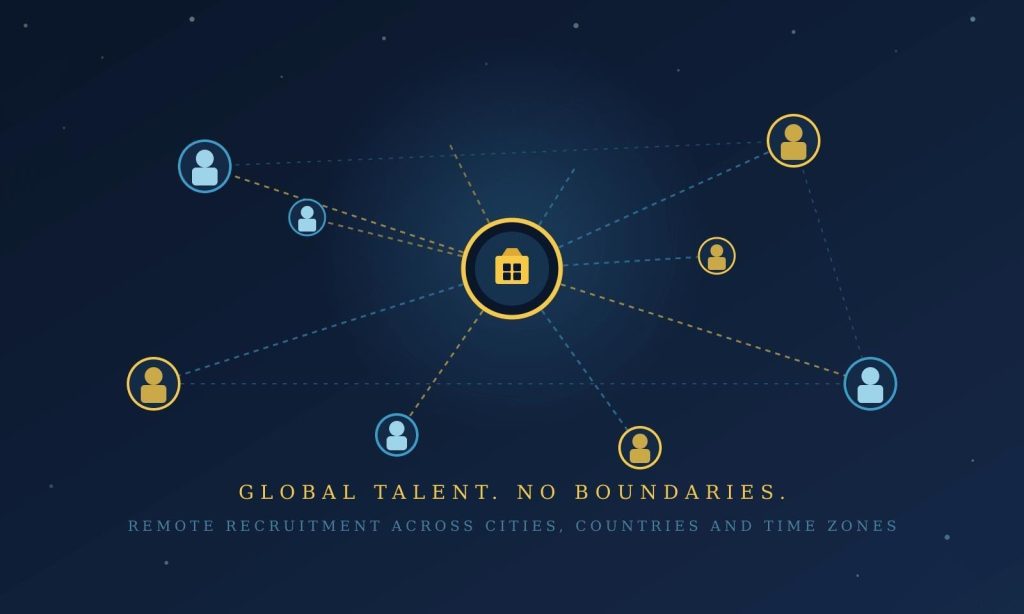
Globally, recruitment has shifted significantly over the past decade. The rise of remote work has expanded the talent pool for many organizations, making it possible to hire across cities, countries, and time zones. This has created opportunities, but it has also raised the bar for how recruitment is managed. Without the structure of a physical office, clarity and organization in the hiring process become even more important.
Technology has also changed how organizations find candidates. Online job boards, professional networks, and applicant tracking systems have made it easier to reach more people. At the same time, candidates have more access to information about employers than ever before. Reviews, salary data, and company culture insights are all publicly available, meaning organizations are being evaluated by candidates just as much as candidates are being evaluated by them.
Common Mistakes and What They Cost
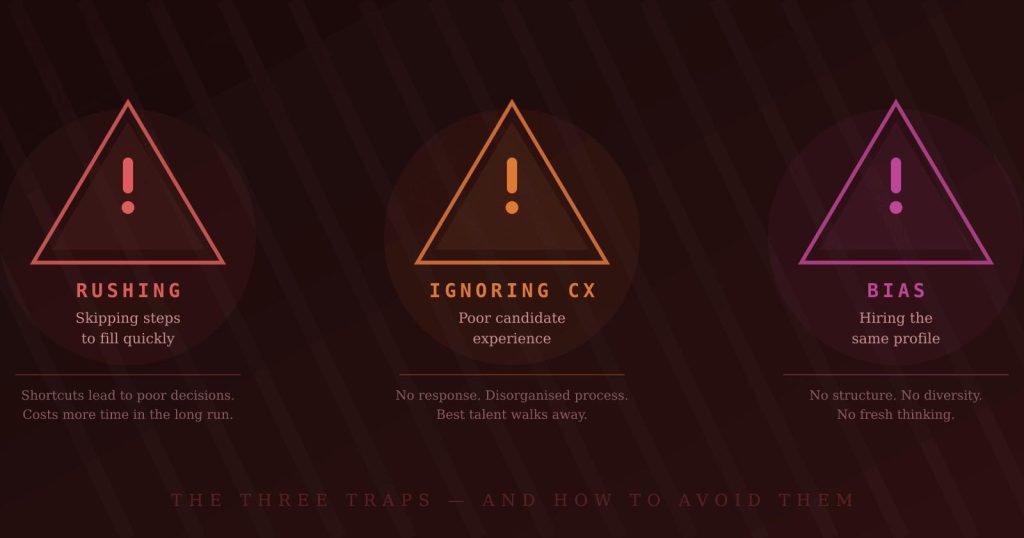
Rushing the process is one of the most common recruitment mistakes. When organizations are under pressure to fill a role quickly, they sometimes skip steps. They may avoid reference checks, skip a second interview, or hire based on gut feeling rather than evidence. These shortcuts often lead to poor hiring decisions that take far longer to address than the time that was saved.
Another frequent issue is not considering the candidate experience. An unresponsive or disorganized recruitment process signals to candidates that the organization may run the same way internally. Strong candidates, who typically have options, will choose employers whose hiring process feels respectful of their time.
Finally, there is the matter of bias. Recruitment decisions are made by people, and people carry assumptions. Without deliberate efforts to structure the process fairly through standardized questions, diverse panels, and clear evaluation criteria, organizations risk consistently hiring the same type of person while overlooking qualified candidates who bring something different to the table.
Why It Deserves Attention
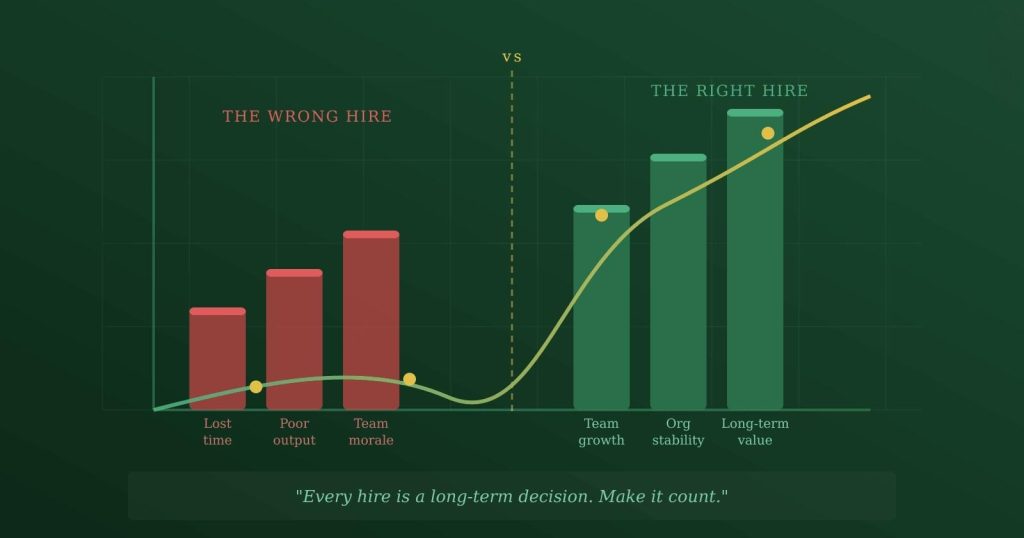
Every hire an organization makes is a decision that carries long term consequences. The right person in the right role contributes to growth, stability, and team performance. The wrong fit, even with good intentions on both sides, costs time, money, and morale.
Recruitment done well is not complicated, but it does require consistency, care, and a genuine commitment to finding the right match, not just the quickest one. For organizations that take it seriously, the results tend to speak for themselves.
At Elizabeth Maddeux Limited, we help organizations approach recruitment strategically, ensuring they find not just candidates, but the right fit for long-term success. If you’re looking to strengthen your hiring process, we’re here to help, send a DM to hello@elizabethmaddeux.com.
Written by Erhovwosere Russell Emmanuel — HR Intern