Technology Isn’t Replacing HR. It’s Reshaping It.
A common narrative suggests that automation will eventually replace large parts of HR. While technology is undoubtedly taking over repetitive tasks, the reality is more nuanced.
Modern HR tools can now:
- Screen hundreds of applications in minutes
- Identify employee engagement trends from survey data
- Generate first-draft job descriptions
- Automate administrative processes
- Predict employee turnover risks using workforce analytics
These capabilities are no longer experimental. Organizations across industries are already integrating them into their people management strategies.
The real question is not whether HR professionals should use these tools. It is how they can use them effectively while preserving the human judgment that remains essential to the role.
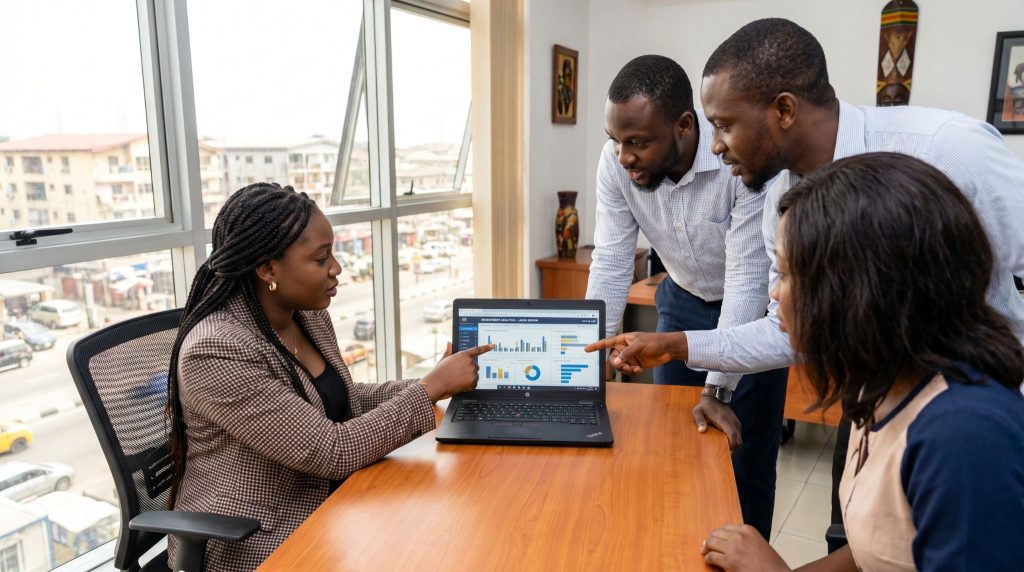
Why This Matters for Organizations
The most successful organizations are not using technology to replace people. They are using it to remove administrative bottlenecks, improve decision-making, and create more time for meaningful employee interactions.
As workforce expectations continue to evolve, businesses that combine technology with strong people practices are often better positioned to attract, engage, and retain talent.
Need Help Building a Future-Ready HR Function?
Technology alone does not create better people outcomes. It needs the right strategy behind it.
At Elizabeth Maddeux Limited, we help organizations strengthen their HR systems, improve workforce effectiveness, and build people strategies that support long-term business growth.
Speak with our team to explore practical HR solutions tailored to your organization’s needs.
The Human Challenges Behind the Data
At its core, HR exists to manage the relationship between people and organizations.
Technology can identify patterns. It can flag risks. It can generate recommendations.
What it cannot do is fully understand human context.
An AI-powered system may identify declining engagement scores within a department. It may even highlight employees at risk of disengagement.
What it cannot explain is why those scores are dropping.
Is leadership communication creating uncertainty?
Is workload becoming unsustainable?
Are employees facing personal challenges that are affecting performance?
These questions require empathy, conversation, judgment, and trust. They require human intervention.
The ability to interpret data through a human lens remains one of the most valuable skills HR professionals can bring to an organization.
Why Resisting HR Technology Is Also a Risk
While concerns about automation are understandable, refusing to engage with technology creates a different challenge.
HR professionals who avoid workforce analytics, ignore emerging recruitment tools, or rely exclusively on manual processes often spend more time on administration and less time on strategic work.
Technology should not replace the human side of HR. It should create more space for it.
When repetitive tasks are automated, HR teams gain time to focus on:
- Employee experience
- Workforce planning
- Leadership support
- Organizational culture
- Talent development
- Strategic decision-making
The goal is not to become less human. The goal is to become more effective.
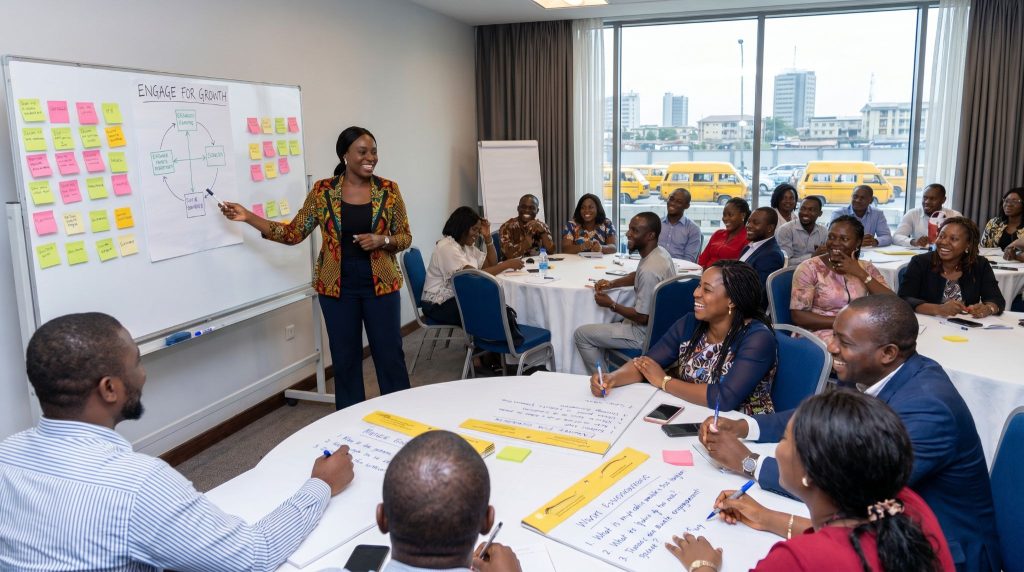
The HR professionals thriving in today’s workplace are not choosing between technology and people skills.
They are building both.
They allow technology to handle scale, efficiency, and pattern recognition while focusing their own attention on areas where human judgment delivers the greatest value.
For example, software can screen a large volume of applications.
But deciding whether an unconventional candidate has the potential to thrive within a specific team remains a human decision.
Technology provides information.
People provide interpretation.
The future of HR belongs to professionals who can confidently move between both.
Preparing for the Future of Work
As organizations continue to invest in digital transformation, HR professionals must expand their capabilities beyond traditional people management practices.
Developing familiarity with AI, analytics, automation, and HR technology is becoming increasingly important. Equally important is strengthening the skills that technology cannot replicate: communication, emotional intelligence, relationship management, conflict resolution, and strategic thinking.
The strongest HR leaders will be those who understand both systems and people.
Not because technology is replacing HR.
But because technology is changing where HR creates value.
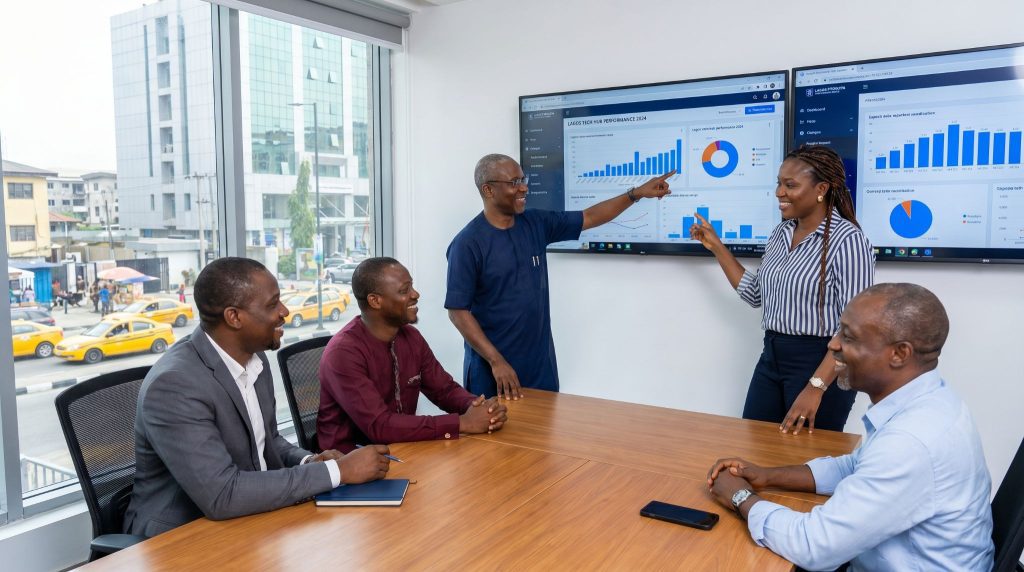
Looking to Strengthen Your People Strategy?
Whether your organization is introducing new HR technology, improving recruitment processes, or building stronger workforce systems, success depends on aligning people, processes, and business objectives.
Elizabeth Maddeux Limited partners with organizations to deliver HR consulting, recruitment solutions, workforce development programs, leadership training, and business advisory services that support sustainable growth.
Frequently Asked Questions
Will AI replace HR professionals?
No. While AI can automate repetitive tasks such as screening applications, generating reports, and analyzing workforce data, HR professionals remain essential for decision-making, relationship management, employee engagement, conflict resolution, and organizational culture.
How is AI being used in HR today?
Organizations use AI to support recruitment, workforce planning, employee engagement analysis, performance management, learning and development, and administrative processes. These tools help HR teams work more efficiently and make better-informed decisions.
What skills do HR professionals need in the age of AI?
Modern HR professionals need a balance of technical and interpersonal skills. Familiarity with HR technology, workforce analytics, and automation tools is becoming increasingly valuable, alongside communication, emotional intelligence, leadership, and strategic thinking.
Why is the human element still important in HR?
Technology can identify trends and provide insights, but it cannot fully understand personal circumstances, workplace relationships, organizational culture, or employee concerns. Human judgment remains essential when managing people-related decisions.
How can organizations balance technology and human-centered HR practices?
Organizations can use technology to automate repetitive processes and generate insights while enabling HR professionals to focus on employee experience, leadership support, talent development, culture-building, and strategic workforce planning.
Final Thoughts
The future of HR is not a choice between technology and human connection.
It is the ability to combine both.
Organizations need professionals who can interpret data, navigate complexity, build trust, and make informed decisions that technology alone cannot make.
As the tools evolve, the work does not disappear.
It shifts toward the areas where human judgment matters most.
Businesses that embrace this balance will be better equipped to build resilient teams, stronger workplace cultures, and sustainable growth in an increasingly digital world.
Written by: Emmanuel Ikemefuna.