What Is DEIB?
While Diversity, Equity, Inclusion, and Belonging are often discussed together, each element plays a distinct role in shaping workplace culture.
Understanding the difference is the first step toward creating meaningful change.

Diversity
Diversity refers to the presence of differences within a workplace.
These differences may include:
- Gender
- Age
- Ethnicity
- Cultural background
- Educational experience
- Disability status
- Professional background
- Perspectives and ways of thinking
A diverse workforce brings a broader range of experiences and viewpoints, helping organizations approach challenges from multiple angles and make better-informed decisions.
Equity
Equity focuses on fairness.
Unlike equality, which provides everyone with the same resources, equity recognizes that people start from different circumstances and may require different levels of support to achieve similar outcomes.
An equitable workplace seeks to remove barriers and create opportunities that allow employees to succeed based on their potential and contributions.
This may include flexible work arrangements, accessible workplace resources, professional development opportunities, and fair promotion practices.
Inclusion
Inclusion is the intentional effort to create an environment where employees feel welcomed, respected, and valued.
A workplace can be diverse without being inclusive.
Inclusion ensures that every employee has the opportunity to participate, contribute ideas, and influence outcomes regardless of their background.
It moves diversity beyond representation and transforms it into meaningful participation.
Belonging
Belonging is often considered the outcome of successful diversity, equity, and inclusion efforts.
It is the feeling employees experience when they know they are accepted, supported, and able to bring their authentic selves to work.
Employees who experience a sense of belonging are more likely to:
- Engage fully in their work
- Build stronger relationships with colleagues
- Contribute innovative ideas
- Remain committed to the organization
Belonging creates emotional connections that strengthen trust, collaboration, and organizational culture.
Why DEIB Matters in Today’s Workplace
Organizations that prioritize DEIB are not simply responding to social expectations. They are creating conditions that support long-term business success.
Enhanced Innovation and Creativity
Innovation thrives when people with different perspectives come together.
Employees from diverse backgrounds often approach challenges differently, bringing unique insights that can lead to more creative solutions and better decision-making.
Organizations that encourage diverse viewpoints are often better equipped to adapt to changing markets and customer needs.
Improved Employee Engagement
Employees who feel respected, included, and valued are more likely to be engaged in their work.
An inclusive workplace encourages participation, strengthens morale, and helps employees develop a stronger connection to organizational goals.
When people feel they belong, they are more willing to contribute their ideas and invest in the success of the business.
Better Talent Attraction and Retention
Today’s workforce increasingly evaluates employers based on workplace culture.
Candidates want to join organizations where diversity is embraced and opportunities are accessible to everyone.
Strong DEIB practices help organizations attract skilled professionals while reducing turnover among existing employees.
Stronger Business Performance
Organizations with inclusive cultures often experience stronger collaboration, improved problem-solving, and increased productivity.
When employees feel supported and empowered, they are more likely to perform at their highest level.
The result is a stronger, more resilient organization.
Building an Inclusive Workplace Requires Intentional Action
Creating a culture of belonging does not happen by accident.
Organizations need clear strategies, leadership commitment, and sustainable people practices to ensure DEIB becomes part of everyday workplace experiences.
At Elizabeth Maddeux Limited, we support organizations in developing people-centered workplace strategies through HR consulting, leadership development, organizational culture initiatives, and workforce advisory services.
How Organizations Can Promote DEIB
Foster Inclusive Leadership
Leaders play a significant role in shaping workplace culture.
Inclusive leaders actively seek diverse perspectives, encourage participation, and create opportunities for employees to contribute and grow.
Their actions influence how inclusion is experienced throughout the organization.
Implement Fair Recruitment Practices
Organizations should regularly review recruitment processes to identify and reduce bias.
This includes:
- Creating inclusive job descriptions
- Expanding candidate sourcing channels
- Standardizing interview processes
- Using objective assessment criteria
Fair recruitment practices help ensure opportunities are accessible to a broader range of candidates.
Provide Learning and Development Opportunities
DEIB education should extend beyond awareness.
Organizations can support employees through training programs focused on:
- Unconscious bias
- Inclusive communication
- Cultural awareness
- Respectful workplace interactions
- Inclusive leadership
Continuous learning helps strengthen understanding and encourages positive workplace behaviors.
Encourage Employee Voice
Employees are more likely to feel valued when they have opportunities to share ideas, concerns, and feedback.
Organizations can create channels for open dialogue through:
- Employee surveys
- Focus groups
- Employee resource groups
- Town hall meetings
- Inclusion forums
Providing space for employee voices strengthens trust and connection.
Measure Progress and Maintain Accountability
DEIB efforts should be monitored and evaluated regularly.
Organizations can assess progress through:
- Workforce diversity data
- Employee engagement surveys
- Inclusion assessments
- Retention metrics
- Promotion and development tracking
Measurement helps organizations identify areas for improvement and ensure DEIB goals translate into meaningful outcomes.
The Role of HR and People & Culture Professionals
HR and People & Culture professionals play a vital role in advancing DEIB initiatives across the employee lifecycle.
Their responsibilities often include:
- Designing inclusive recruitment processes
- Supporting equitable workplace policies
- Enhancing employee engagement
- Developing leadership capabilities
- Facilitating learning and development initiatives
- Strengthening workplace culture
Beyond creating policies, HR professionals help shape daily employee experiences and ensure organizational values are reflected in workplace practices.
Their work is critical in creating environments where employees can thrive.
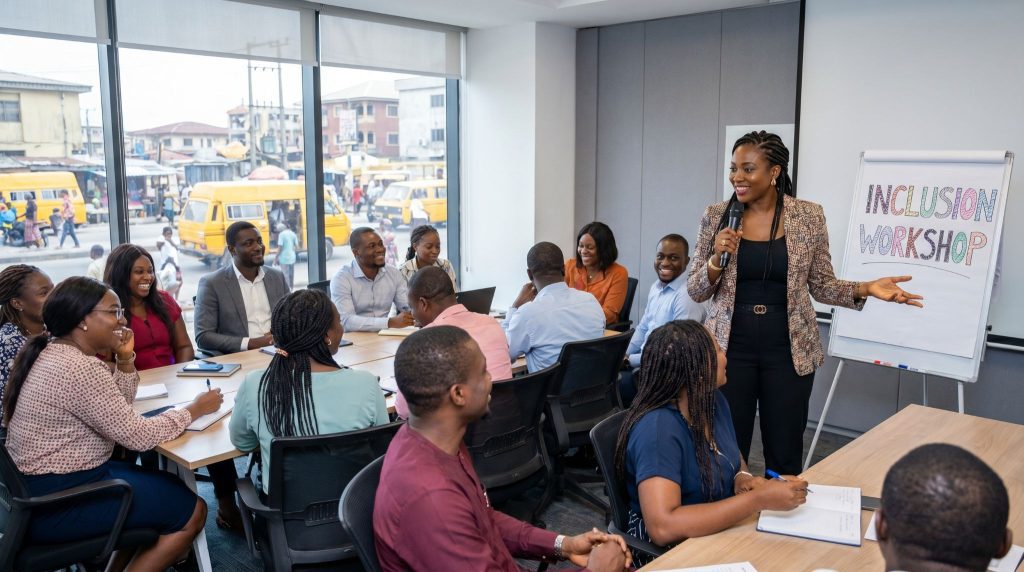
Ready to Strengthen Your Workplace Culture?
Organizations that embrace Diversity, Equity, Inclusion, and Belonging are better positioned to attract talent, strengthen employee engagement, and build resilient teams.
Elizabeth Maddeux Limited partners with organizations to develop people strategies, strengthen workplace culture, support leadership development, and create environments where employees can perform at their best.
Contact us today to learn how we can support your organization’s DEIB and workplace culture goals.
Frequently Asked Questions
What does DEIB stand for?
DEIB stands for Diversity, Equity, Inclusion, and Belonging. Together, these principles help organizations create workplaces where employees feel valued, supported, and empowered to succeed.
Why is DEIB important in the workplace?
DEIB contributes to stronger employee engagement, increased innovation, improved collaboration, better talent attraction, and stronger organizational performance.
What is the difference between diversity and inclusion?
Diversity refers to the presence of different people, backgrounds, and perspectives within a workplace. Inclusion focuses on ensuring those individuals feel respected, heard, and able to contribute meaningfully.
What is workplace belonging?
Belonging is the sense of acceptance and connection employees feel when they can be themselves and know they are valued within their organization.
How can organizations improve DEIB?
Organizations can improve DEIB by fostering inclusive leadership, implementing fair recruitment practices, providing employee development opportunities, encouraging employee feedback, and regularly measuring progress.
What role does HR play in DEIB?
HR professionals help create equitable systems, support inclusive workplace practices, promote employee engagement, and ensure organizational policies align with DEIB objectives.
Final Thoughts
Diversity, Equity, Inclusion, and Belonging are not standalone initiatives. They are essential components of a healthy and high-performing workplace culture.
Organizations that prioritize DEIB create environments where employees feel respected, valued, and empowered to contribute their unique strengths.
As workplaces continue to evolve, businesses that embrace DEIB will be better equipped to foster innovation, strengthen resilience, attract top talent, and achieve sustainable success.
When people feel they belong, everyone benefits, from employees and leaders to customers, communities, and the organization as a whole.
Written by: Mojisola Towolawi