Running a small or medium-sized enterprise (SME) in Nigeria is no small task. From navigating economic uncertainty to handling workforce issues, many business owners find themselves stuck in survival mode instead of scaling. But growth is possible and with the right strategies, SMEs can move beyond short-term wins to build sustainable businesses.
This article explores seven practical strategies Nigerian SMEs can adopt to scale successfully, while also showing how professional business and HR consulting support can make a measurable difference.
1. Strengthen Your Business Structure
A weak foundation makes growth difficult. Many SMEs operate without clear organizational structures, documented processes, or accountability frameworks. This often leads to inefficiencies and employee confusion.
By establishing defined roles, reporting lines, and operational policies, businesses can run more smoothly and prepare for expansion.
2. Leverage Technology for Efficiency
Technology adoption is no longer optional. From accounting software to enterprise resource planning (ERP) solutions, digital tools help SMEs automate repetitive tasks, manage resources better, and access real-time data for decision-making.
For SMEs in Nigeria, ERP integration is particularly powerful streamlining operations, HR management, and compliance in one system. Every hour saved through automation can be reinvested into strategy and customer service.
3. Develop Strong Financial Discipline
Cash flow challenges are one of the top reasons SMEs fail in Nigeria. Growth requires more than just earning money, it requires managing it effectively. This means separating personal from business finances, adopting transparent bookkeeping practices, and planning ahead for tax obligations.
Financial discipline allows SMEs to make informed decisions, access funding, and withstand shocks.
4. Invest in People and HR Practices
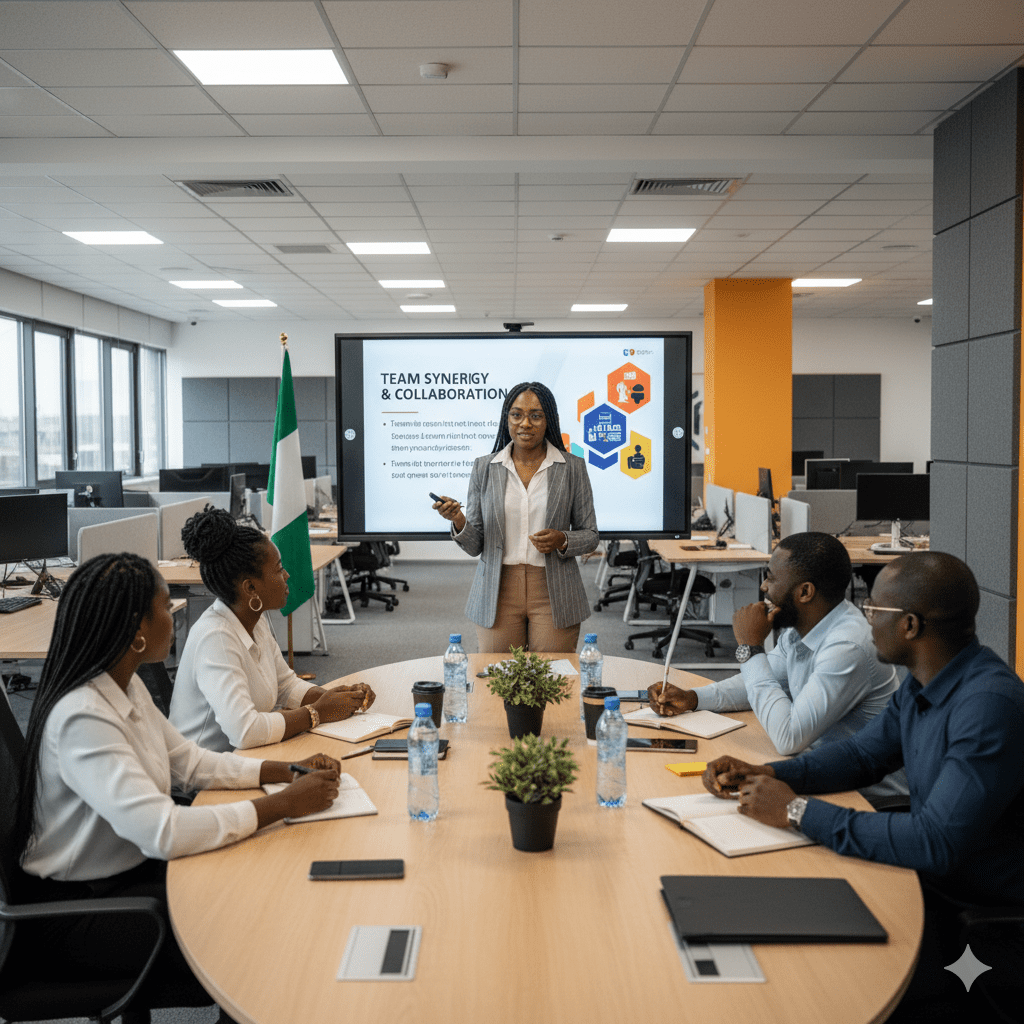
Your workforce is not just staff, they are your biggest growth driver. SMEs that recruit strategically, invest in employee training, and create performance management systems build teams that can handle scaling challenges.
Practical HR practices such as onboarding frameworks, clear KPIs, and employee engagement initiatives reduce turnover and boost productivity.
Scaling isn’t just about systems, it’s about people. At Elizabeth Maddeux Limited, we help SMEs build HR frameworks that improve retention and boost performance. [Let’s talk about your team’s growth.]
5. Build Strategic Partnerships
No SME scales alone. Partnerships with suppliers, distributors, or even complementary businesses open doors to new markets, reduce operational costs, and create shared value.
Rather than going head-to-head with competitors, Nigerian SMEs can find creative ways to collaborate. The right partnerships accelerate growth faster.
6. Standardize Processes for Consistency
As businesses expand, inconsistency in customer experience, product quality, or service delivery can damage reputation. Documented standard operating procedures (SOPs) ensure everyone in the company works with the same level of clarity.
Standardization reduces errors and makes scaling repeatable.

7. Plan for Long-Term Sustainability
Growth without sustainability often ends in decline. Nigerian SMEs should think beyond immediate profit by addressing governance, compliance, and long-term risk management. Preparing for challenges such as succession planning and regulatory changes ensures the business is future-proof.
Final Thoughts
Scaling an SME in Nigeria is achievable with the right balance of structure, people, finance, and technology. While the journey can feel overwhelming, professional guidance helps SMEs transition from struggling to thriving.
At Elizabeth Maddeux Limited, we specialize in strengthening business structures, optimizing HR practices, and integrating ERP solutions to help Nigerian SMEs scale with confidence. [Start your growth journey today.]
Key Takeaways
- Structure and standardization are the foundation of scalability.
- Technology, especially ERP, creates efficiency and visibility.
- Financial discipline keeps growth sustainable.
- Investing in people is non-negotiable for long-term success.
- Partnerships and foresight drive SMEs from small wins to lasting impact.